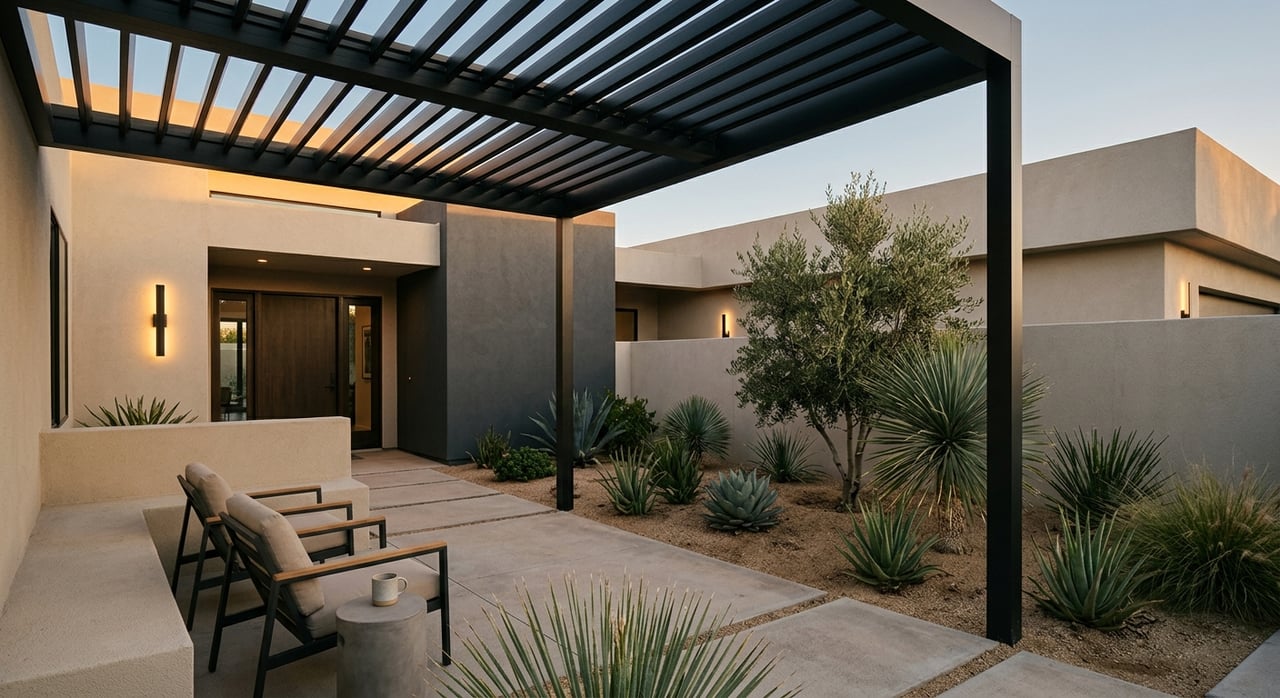
Thinking about a second home near the water without the pace of a big resort city? Boulder City offers a different kind of getaway, one built around lake access, outdoor recreation, and a smaller-town setting just southeast of Las Vegas. If you are considering buying a vacation or second home here, it helps to understand what makes the market unique, what ongoing costs to expect, and one major rule that can affect your plans. Let’s dive in.
Why Boulder City Appeals to Second-Home Buyers
Boulder City stands out because it is intentionally different from many communities in the Las Vegas Valley. According to the city’s Strategic Plan 2025 to 2030, Boulder City focuses on recreation, historic preservation, prudent growth, and maintaining community character.
That approach matters when you are shopping for a second home. The city’s controlled growth ordinance limits annual dwelling allotments, which helps explain why Boulder City often feels smaller, more established, and more selective than faster-growing areas nearby. The result is a market that can appeal to buyers looking for a quieter retreat rather than a high-turnover vacation corridor.
Another big draw is location. Boulder City offers close access to Lake Mead National Recreation Area and enjoys more than 300 days of sunshine each year. For many buyers, that combination creates a practical weekend base for boating, fishing, hiking, biking, and simply getting away.
What Kind of Homes You’ll Find
If you picture Boulder City as only detached homes, that is only part of the story. Clark County’s FY 2025-26 housing report shows the city has 4,256 detached single-family homes, 1,636 attached homes, and 134 manufactured homes. In other words, detached homes dominate, but attached options are still an important part of the market.
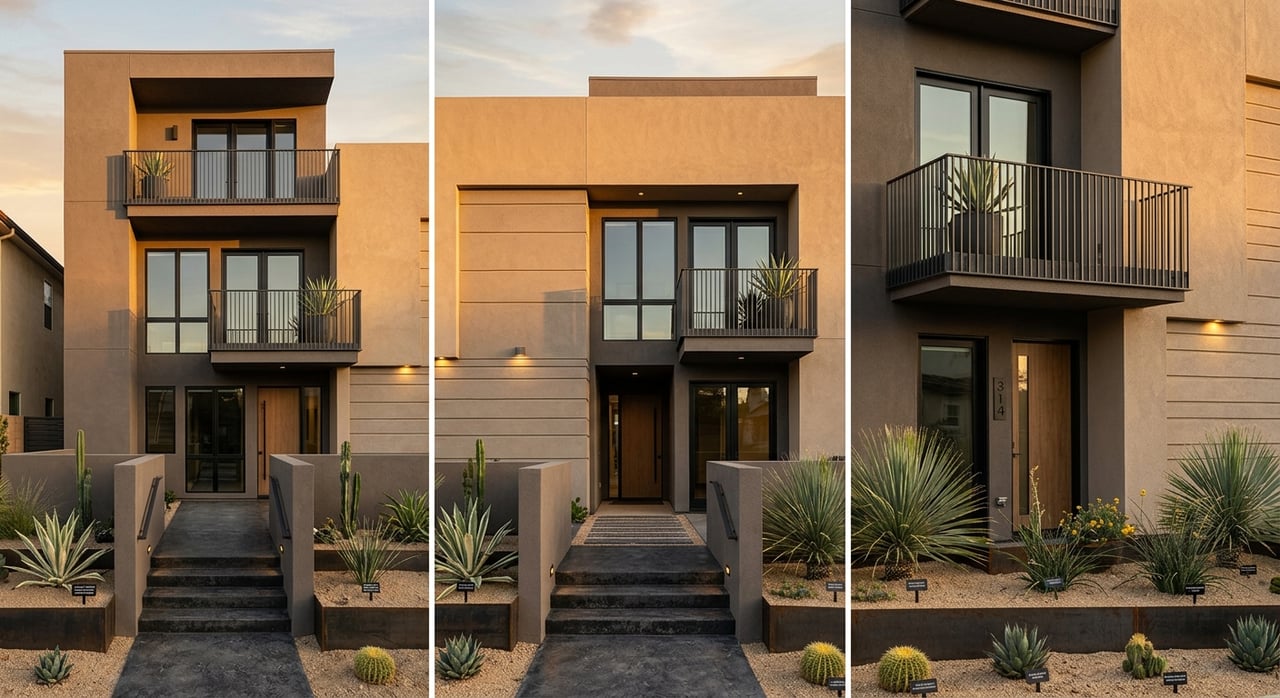
That can be helpful if you want lower-maintenance ownership. Condo and townhome communities may offer a simpler lock-and-leave setup, which is often attractive for second-home buyers who will not be in town full time.
Some lake-oriented attached-home communities have included places like Spanish Steps Lakeside and Lakeview Terrace, based on current listing portal examples in the research. Those types of properties may come with HOA dues in the roughly $300 to $340 monthly range, with some fees covering items like management, insurance, grounds maintenance, or amenities. Before you buy, it is smart to compare not just the purchase price, but the full monthly ownership cost.
Boulder City Is Not One Uniform Market
One of the easiest mistakes buyers make is assuming every part of Boulder City feels the same. It does not. Realtor.com identifies sub-areas such as Boulder City Historic District, Old Airport, and Uptown Boulder within 89005, which reflects a mix of older core housing and more peripheral or newer product.
That means your experience can vary depending on what you want from the property. Some buyers prioritize established homes with character and proximity to town amenities, while others prefer a more updated layout or a property that feels easier to maintain. Your best fit depends on how you plan to use the home, how often you will visit, and how much upkeep you want to take on.
Understand the Market Numbers Carefully
When you start researching prices, you will notice that market data can look inconsistent from site to site. That is normal. The research report notes that Realtor.com, Redfin, and Zillow each show different pricing figures and inventory counts for Boulder City because they use different methodologies.
The practical takeaway is simple: treat broad portal data as directional, not interchangeable. If you are serious about buying a second home in Boulder City, you need local guidance that puts active listings, recent sales, property condition, and location within the city into the right context.
Lake Access Is a Major Lifestyle Benefit
For many buyers, the biggest reason to choose Boulder City is easy access to Lake Mead. The National Park Service identifies Boulder Beach and Hemenway Harbor as the main access points near town. Hemenway Harbor offers fishing and a launch ramp and is the nearest motorized boating access from Boulder Beach.
That said, lake access is not something to take for granted in the desert. The National Park Service also notes that changing lake levels can create hazards and temporary closures, and Boulder Harbor closed in 2021 after the water became too shallow. If boating is central to your buying decision, make sure you understand current launch conditions and how changing water levels may affect your plans over time.
Recreation Goes Beyond the Lake
A second home in Boulder City is not just about boating weekends. The city’s Parks and Recreation Department highlights golf, sports, arts, camping, bike ways, and facility reservations. That broad mix adds to the appeal if you want a home base for a range of outdoor and community activities.
Bootleg Canyon is also part of the local lifestyle draw, with more than 36 miles of trails and scenic views. For buyers who want a retreat that feels active and outdoors-focused, Boulder City offers a setting that is distinct from more urban parts of Southern Nevada.
The Most Important Rule: No Short-Term Rentals
If you are planning to offset costs with Airbnb or VRBO income, stop and verify the rules first. Boulder City clearly states that short-term rentals are prohibited, and operators can face fines of up to $500 per day.
This is one of the biggest differences between buying a vacation home in Boulder City and buying in other leisure-oriented markets. You should purchase with the expectation that the property is for your personal use, a longer-term strategy if permitted and appropriate, or future lifestyle flexibility, not nightly rental income.
For many second-home buyers, this rule does not end the conversation. It simply changes the math. You need to be comfortable carrying the property based on your own budget and goals.
Plan for the Full Cost of Ownership
The purchase price is only one part of your budget. As a second-home buyer, you should also review recurring ownership costs line by line so there are no surprises.
Here are the main categories to review:
- Property taxes
- Utilities
- HOA dues, if applicable
- Landscape upkeep
- HVAC servicing and routine maintenance
- Insurance and reserve funds for repairs
Clark County states that Boulder City districts 050 and 051 have a FY 2025-26 total tax rate of 2.6097 per $100 of assessed value. The county assessor also explains that assessed value is generally 35% of taxable value. Just as important, Nevada’s abatement system typically caps annual increases for owner-occupied primary residences at 3%, while non-owner-occupied residences can be subject to up to an 8% cap. For a second home, that distinction matters, so confirm the parcel’s tax district and cap status before you close.
Nevada also has one broader tax benefit that may matter to out-of-area buyers: the state does not impose an individual state income tax, according to the Nevada Department of Taxation.
Utilities and Baseline Bills Matter
Even if you use the home only part of the year, you will still have baseline costs. Boulder City’s residential utility rate sheet shows monthly service charges for electric, water, sewer, and garbage, plus a required utility deposit to open an account. Minimum deposits are listed as $100 for property owners and $125 for others, and late accounts can incur a 5% fee.
That is why a low-use second home is not a zero-cost property between visits. Even light occupancy still comes with fixed charges, and those should be part of your budgeting from day one.
Desert Ownership Has Different Maintenance Needs
Boulder City’s climate is part of its appeal, but it also shapes how you maintain a second home. Official city materials place Boulder City in the Mohave Desert, with average July highs near 99°F, average annual precipitation of 6.39 inches, and 300-plus sunny days each year.
In practical terms, that means you should expect more attention to heat, sun exposure, dust, and irrigation than you might in a milder climate. HVAC systems, exterior finishes, roofs, and windows all take a beating in intense sun. If the property will sit vacant for stretches of time, regular check-ins and preventive maintenance become even more important.
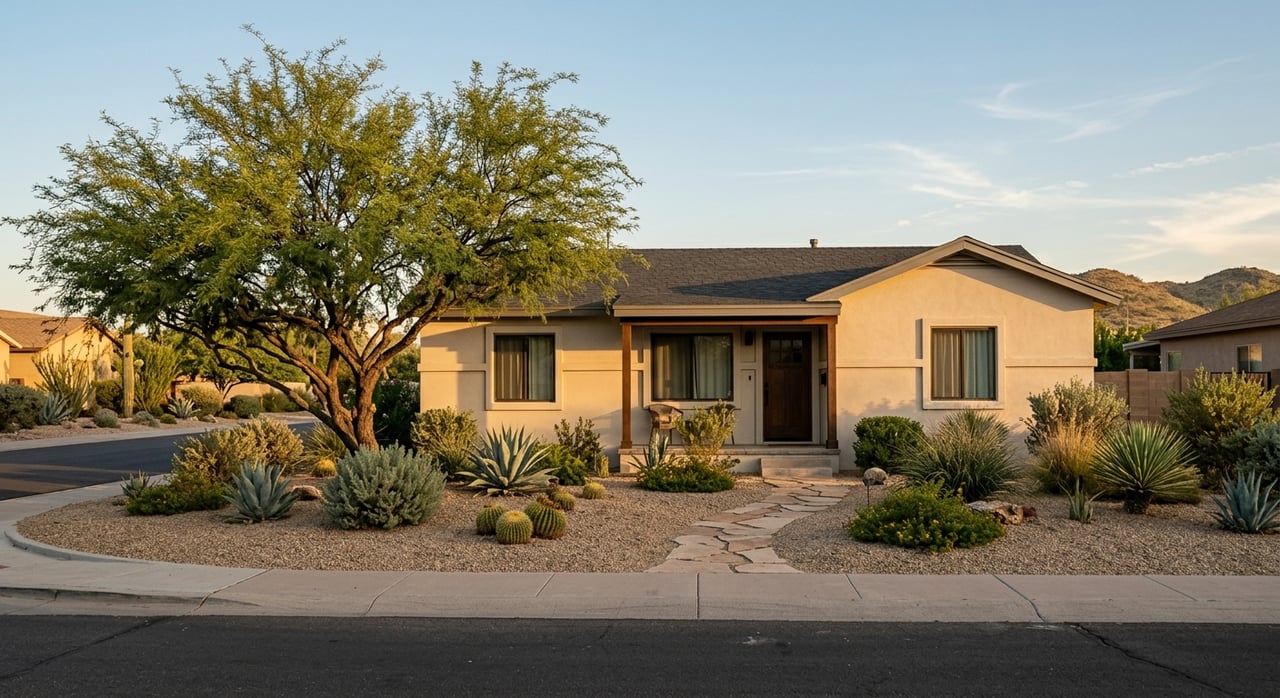
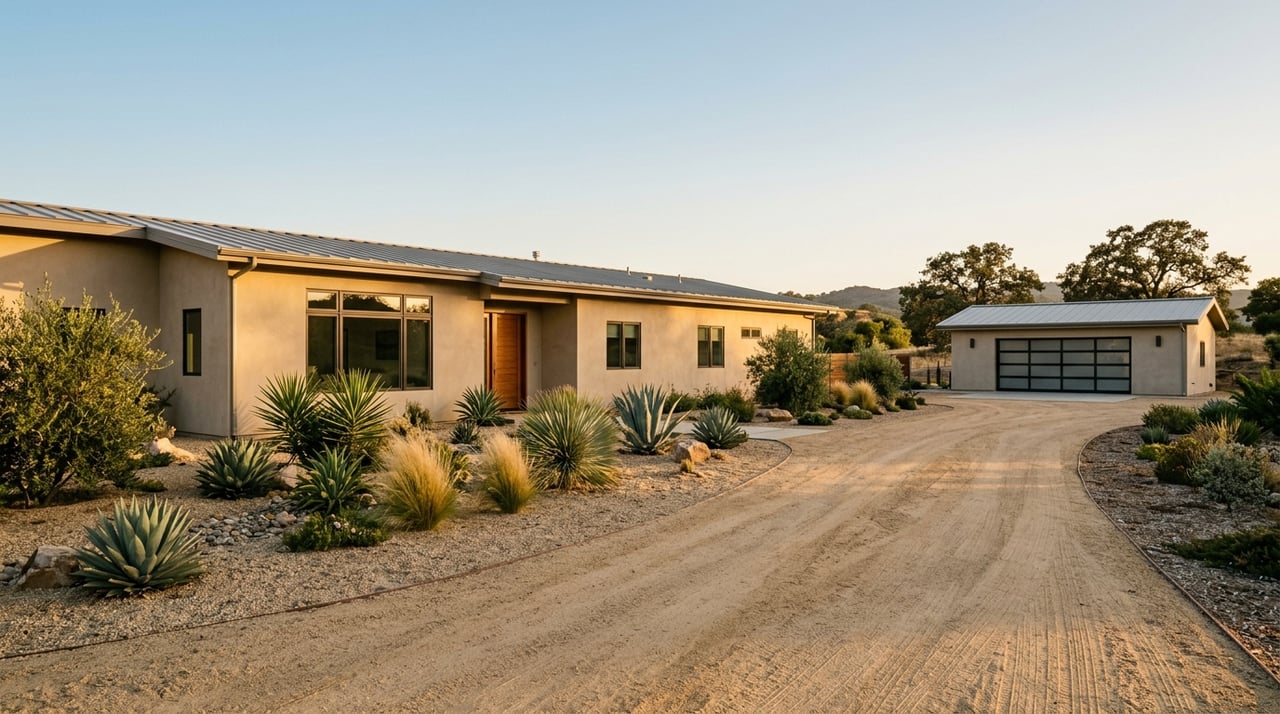
Landscaping deserves special attention too. Boulder City notes that residents can use Southern Nevada Water Authority rebates to replace non-functional grass with desert landscaping, and the city has continued turf and irrigation changes in response to regional water conditions. For many second-home owners, low-water, desert-friendly landscaping is the most practical long-term choice.
A Smart Second-Home Buying Checklist
Before you move forward, it helps to narrow your search around how you will actually use the property.
Ask yourself:
- Will you use the home mainly for weekends, seasonal stays, or longer visits?
- Do you want a detached house or a lower-maintenance condo or townhome?
- Are HOA dues worth it if they reduce upkeep?
- How important is proximity to Lake Mead access points?
- Are you comfortable owning in a market that prohibits short-term rentals?
- Have you budgeted for taxes, utilities, insurance, and maintenance year-round?
- Do you want an older home with character or a property that may need less updating?
These questions can save you time and help you focus on the right options early.
Why Local Guidance Matters
Buying a second home is different from buying your primary residence. You are balancing lifestyle, convenience, carrying costs, and long-term flexibility all at once. In Boulder City, that also means understanding local restrictions, attached-home fees, lake access realities, and the city’s deliberately limited growth.
With the right guidance, you can sort through those details and choose a property that fits how you want to live, not just what looks good online. If you are exploring your options in Boulder City or anywhere in the Las Vegas area, Dale Ouellette can help you evaluate the numbers, narrow the search, and move forward with confidence.
FAQs
Can you use a vacation home in Boulder City as a short-term rental?
- No. Boulder City prohibits short-term rentals such as Airbnb and VRBO, and the city says violations can lead to fines of up to $500 per day.
What types of second homes are common in Boulder City?
- Boulder City is mostly detached single-family homes, but it also has a meaningful number of attached homes, including condos and townhomes that may appeal to buyers looking for lower-maintenance ownership.
What ongoing costs should you expect with a Boulder City second home?
- You should plan for property taxes, utilities, HOA dues if the home has an association, insurance, landscaping, HVAC servicing, and routine maintenance.
Is Lake Mead access near Boulder City dependable year-round?
- Access is available through Boulder Beach and Hemenway Harbor, but lake levels can change conditions, create hazards, or cause temporary closures, so buyers should monitor current access details.
Why does Boulder City feel different from other Las Vegas Valley communities?
- Boulder City has intentionally constrained growth, emphasizes community character and historic preservation, and offers a smaller-town setting with strong outdoor recreation access.